
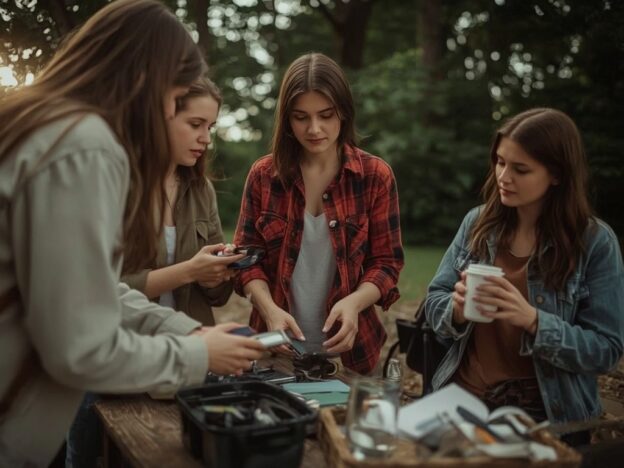
What details should we capture right after an injury event? We list the date, time, location, and any visible conditions like wet floors or poor lighting. We also note witness contact information and keep copies of incident reports if available.
How do we organize medical care records without overcomplicating it? We keep a simple folder with visit summaries, prescriptions, imaging orders, and receipts. We add a timeline of symptoms and limitations to help explain changes over time during follow-ups.
What questions help us prepare for a local legal consultation? We write down what happened, what communications occurred afterward, and what documentation exists. We also ask about typical timelines, what information is helpful to bring, and how fees and costs are explained in writing.
How do we handle telehealth appointments when we’re also managing paperwork? We test the video link, confirm the device camera/microphone, and choose a quiet, well-lit space. We prepare a short symptom list, current medications, and questions about activity limits or work restrictions.
If travel is unavoidable, what accessibility questions should we ask before booking? We confirm mobility assistance options, seat selection needs, and whether hotels have step-free access and bathroom supports. We also plan a buffer day for rest and identify nearby urgent care and pharmacies at the destination.
How do we reduce jet lag and protect sleep while recovering? We adjust sleep and meal times gradually, prioritize hydration, and limit late-day caffeine. We plan gentle movement and daylight exposure based on comfort, and we schedule important meetings after a recovery window when possible.
What vaccination planning questions matter for a trip when someone is dealing with health appointments? We check destination recommendations early and confirm how vaccines fit with current medications or conditions with a clinician. We keep a digital copy of immunization records and plan for potential side effects on low-demand days.
Which home safety upgrades can we prioritize to prevent setbacks? We check lighting on stairs, add non-slip mats, and consider smart sensors for smoke, carbon monoxide, and water leaks. We also review door thresholds, grab bar placement, and reachable storage to reduce strain during daily routines.
What DIY bathroom ventilation upgrades help protect indoor air and reduce moisture problems? We verify the fan size for the room, confirm ducting routes to the exterior, and check that the termination point is properly sealed. We add a timer or humidity-sensing switch and clean the grille regularly to maintain airflow.